

Pennsylvania Medicare Resource Center
Pennsylvania Medicare Supplement - Medicare Resource Center
A Medicare supplement is a type of insurance - also known as Medigap insurance - that covers some of the healthcare costs that the original Medicare leaves behind. It can help people fill their coverage gaps. Unlike regular Medicare, it does not require them to pay a huge amount of out-of-pocket expenses.
Since the federal government has standardized the benefits of Medicare supplement plans, they are now uniform across all insurance companies in the country. Before people start looking for a new plan, it is important to familiarize themselves with the pricing methods of the carriers.
Your carrier's pricing method can affect the monthly premium rates of your Medicare supplement plan. It is also important to note that if you have a spouse who needs coverage, then they must purchase a separate policy.
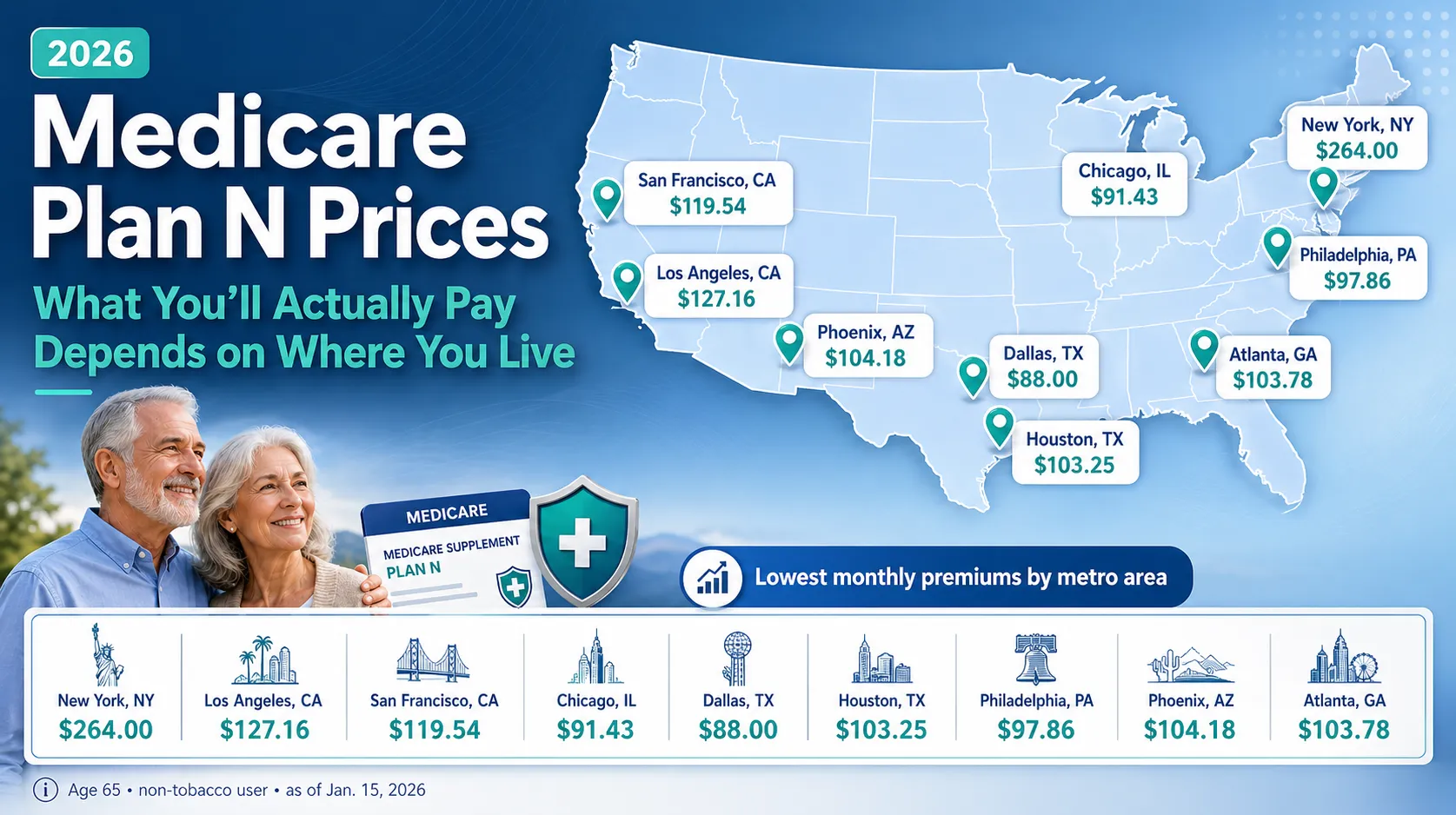
2026 Medicare Plan N Prices in Pennsylvania Compared to Other States
Compare 2026 Medigap Plan N rates by state. See how monthly premiums vary by zip code and carrier and how much you can save vs Plan G.
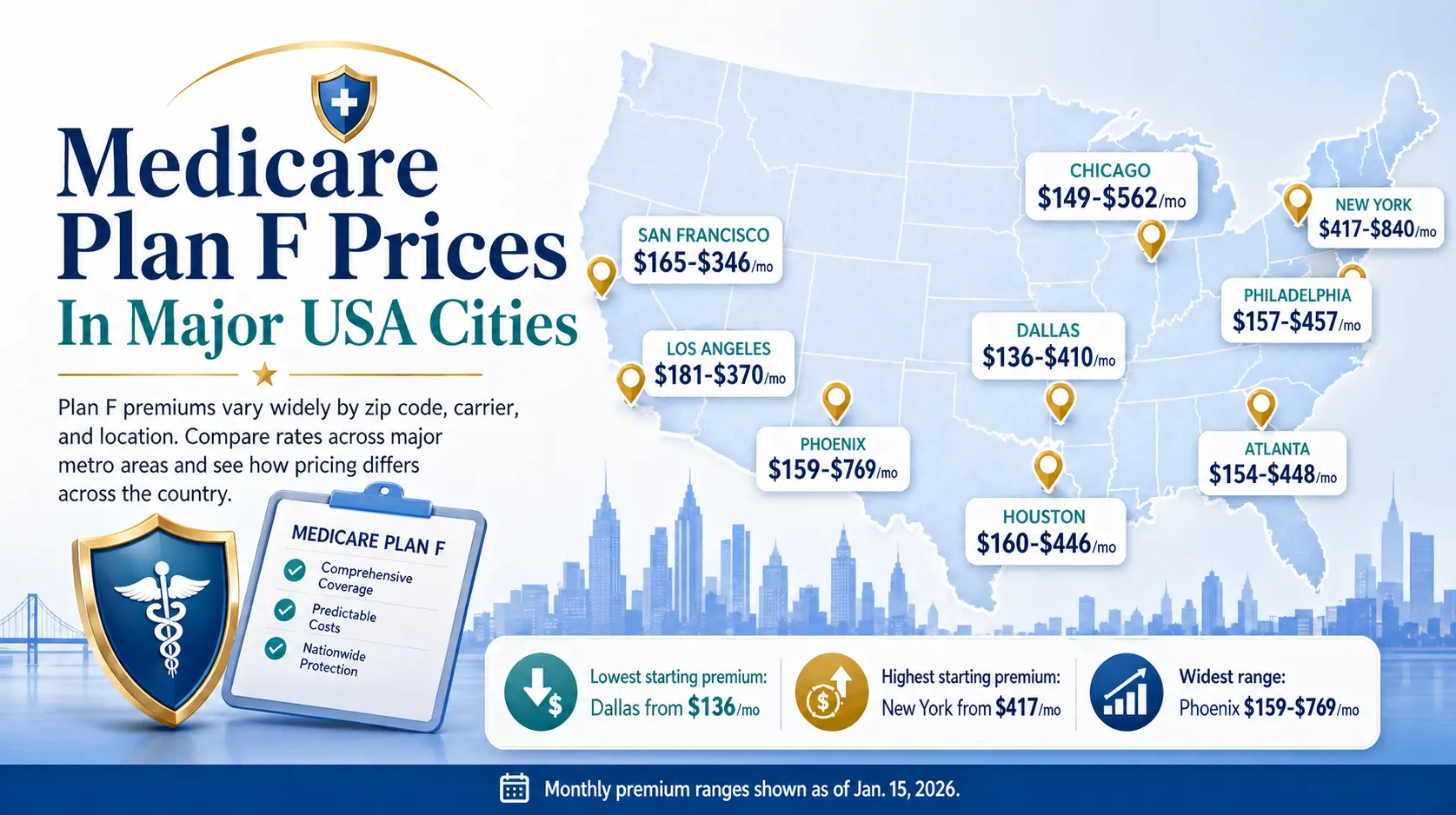
2026 Medicare Plan F Prices in Pennsylvania: Still Available But Costs Are Rising
How much does Medicare Plan F cost in 2026? See real monthly premiums by city, why Plan F rates keep rising, and how it compares to Plan G.

2026 Medicare Plan G Prices in Pennsylvania Compared to Other Places
Plan G premiums range from $122 to $773 per month depending on your location. See how prices compare across 10 major U.S. metro areas and learn what drives the difference.

Medicare Supplement Plans in Pennsylvania: Who's Eligible?
Learn who qualifies for Medicare Supplement (Medigap) insurance, when to enroll, and how eligibility rules vary by state. Covers Open Enrollment, guaranteed issue rights, and under-65 eligibility.

Medicare Supplement Plans in Pennsylvania: 2026 Medigap Guide
Medicare Supplement (Medigap) plans help cover out-of-pocket costs that Original Medicare doesn't pay. Learn about the standardized plan letters, what each covers, how to choose the right plan, and when to enroll for guaranteed-issue rights.

Is Vision Insurance in Pennsylvania Right For You?
Original Medicare doesn't cover routine eye exams, glasses, or contacts. Learn three ways seniors can fill the vision gap: Medicare Advantage plans that include vision, standalone vision insurance, and discount programs, with real monthly costs and expert guidance.